Finding reliable and free study resources can completely transform the way students learn in 2026. With countless platforms available online, it’s easy to feel overwhelmed by choice—but only a few truly provide high-quality education without hidden costs or restrictions. This guide highlights the most valuable free study websites across categories like general learning, academic research, coding, languages, and creative skills. Whether you are a school student, college learner, or a self-taught professional, these platforms will help you gain knowledge, improve skills, and achieve your goals—all without spending a single rupee.
General Learning Platforms –
Khan Academy –
Khan Academy remains one of the most trusted names in online education. It provides 100% free courses from early education to college-level topics, covering math, science, history, economics, and more. With personalized dashboards, progress tracking, practice quizzes, and downloadable lessons for offline use, it is perfect for students who want structured learning.
YouTube –
YouTube is more than just entertainment—it’s the world’s biggest free learning platform. Channels like CrashCourse, TED-Ed, and Khan Academy offer high-quality lectures, tutorials, and explainer videos on every subject imaginable. You can also find free university lectures, step-by-step coding tutorials, and productivity tips.
Wikipedia –
Wikipedia is the go-to encyclopedia for students across the globe. It covers nearly every subject with regularly updated information and references. While it should not always be your final source, it is perfect for starting your research and finding citations to more authoritative works.
Coursera (Free Audit) –
Coursera partners with top universities to deliver online courses. While paid certifications exist, you can audit many courses for free. This means you get access to lecture videos, readings, and assignments without paying, making it an excellent option for structured self-learning.
FixingGeek – Practical Learning Made Simple –
FixingGeek is a free platform designed to help learners with step-by-step guides, study tips, blogging tutorials, SEO checklists, and digital skills. Unlike traditional study platforms, FixingGeek focuses on practical, real-world applications so learners can not only study but also implement what they learn.
- 100% free guides on blogging, SEO, and online learning
- Easy-to-understand tutorials written in simple English
- Covers topics like content writing, study resources, and productivity tips
- Regularly updated with new articles and learning hacks
- Perfect for students, bloggers, and self-learners
Math-Specific Resources –
Prodigy Math Game –
Prodigy turns math learning into an engaging role-playing game. Students solve math problems to unlock levels, characters, and rewards. It is aligned with curriculum standards for grades 1–8 and adapts based on student performance, making it ideal for kids aged 6–14.
Math Playground –
This platform uses interactive games to make learning math fun. Students can practice logic, fractions, algebra, and geometry through puzzles and visual problem-solving exercises. It is especially useful for younger learners who struggle with traditional textbook methods.
Academic Research Tools –
Google Scholar –
Google Scholar is a must for students writing research papers, dissertations, or essays. It allows you to access millions of scholarly articles, books, and conference papers. You can create citation lists directly, track specific topics, and follow authors. It saves time while ensuring your academic work is well-referenced.
ResearchGate (Free Access Papers) –
ResearchGate allows you to connect with researchers and access academic publications. While not every paper is free, many authors upload their work for open access. It’s a great resource for advanced students and professionals.
Coding & Technical Skills –
Codecademy –
Codecademy’s free tier lets you practice coding directly in your browser. It offers interactive courses in Python, JavaScript, HTML, CSS, SQL, and more. The gamified interface keeps you engaged while building hands-on coding skills.
freeCodeCamp –
freeCodeCamp is one of the most powerful free platforms for developers. It provides full-stack web development paths, coding challenges, and real projects you can add to your portfolio. Their certifications are recognized by many employers, making it a top choice for beginners.
W3Schools –
W3Schools is a reference platform for coding basics. It’s completely free and perfect for learning HTML, CSS, JavaScript, and database queries. Students can practice directly on the site with its “Try It Yourself” feature.
Language Learning –
Duolingo –
Duolingo is one of the most popular apps for learning languages. With over 35 languages available, it uses gamification to make daily practice fun. Lessons are bite-sized, and the progress system motivates learners to keep building their skills every day.
BBC Languages (Archived but Free) –
Though archived, BBC Languages offers free resources for multiple languages. It includes audio, video, and text-based lessons for beginners who want an introduction to new languages.
Educational Tools & Resources –
Quizlet –
Quizlet is a flashcard-based learning tool that makes memorization easier. You can create your own flashcards or use sets made by other students. Features like study games, test simulations, and collaborative groups help learners revise faster.
Open Textbook Library –
This platform provides free access to peer-reviewed textbooks. From science and math to business and social studies, the library covers most major academic subjects. The fact that textbooks are downloadable makes it extremely student-friendly.
Notes & Productivity –
Google Docs & Drive –
Google Docs is an excellent free tool for collaborative note-taking and essay writing. It allows multiple people to edit in real time, stores your work in the cloud, and works across devices. Combined with Google Drive, it becomes a complete free study management tool.
Evernote (Free Plan) –
Evernote’s free plan is ideal for organizing notes, saving articles, and creating to-do lists. It syncs across devices, making it easy for students to track assignments and study plans.
Creative & Design Learning –
Canva –
Canva’s free version allows students to design presentations, posters, infographics, and flashcards with ease. It is especially helpful for creating study aids or academic presentations with a professional look.
Pixlr –
Pixlr is a free online photo editor. Students in creative fields can use it for basic image editing without needing expensive tools like Photoshop.
Tips for Using Free Study Resources –
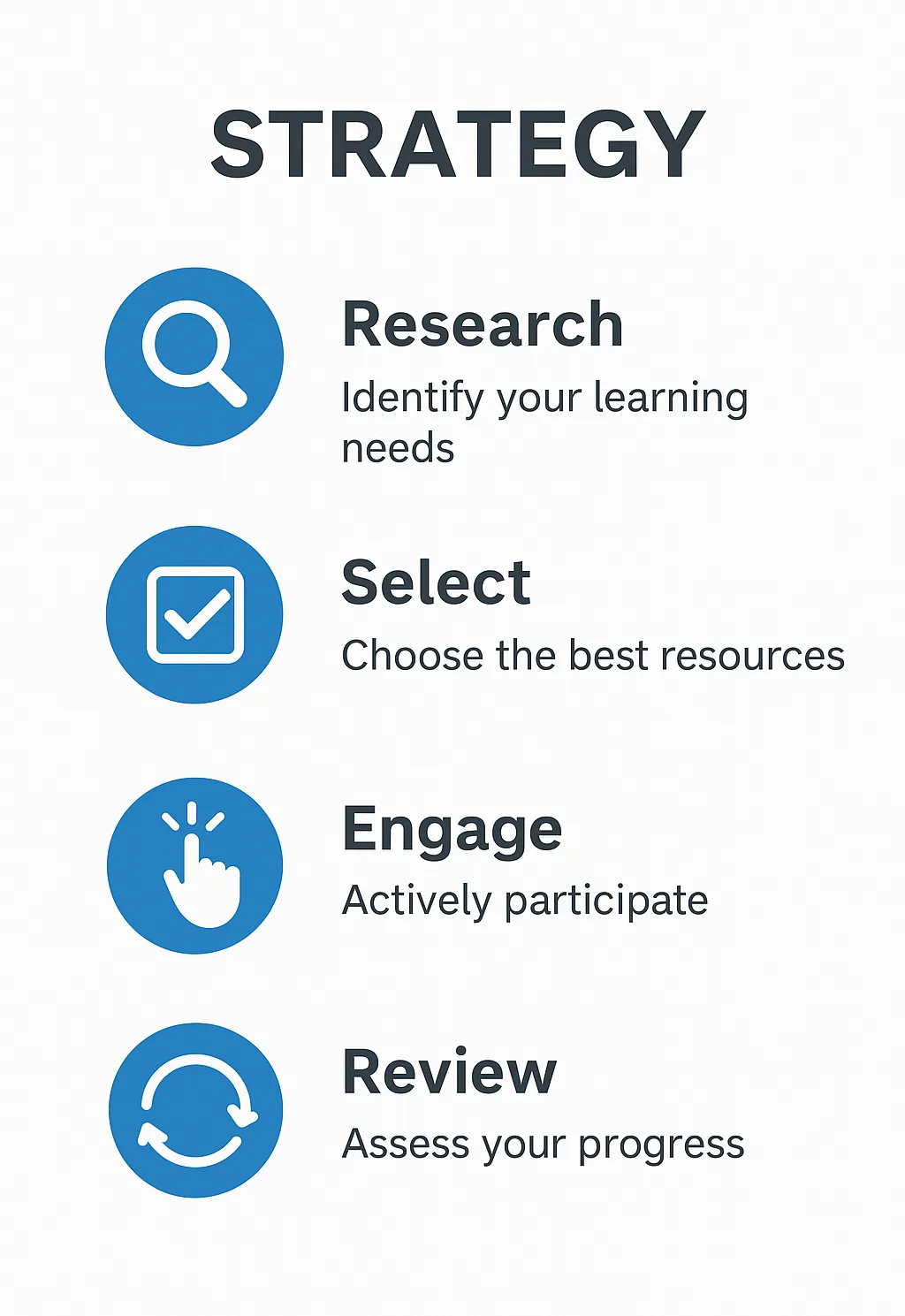
- Create a study schedule and stick to it for consistency
- Mix resources—watch videos, read textbooks, and practice with quizzes
- Join online study communities or discussion forums for motivation
- Track your progress with built-in dashboards or your own system
- Apply knowledge in real projects or practical tasks to retain information
Conclusion –
Free study resources in 2025 give students unprecedented access to knowledge across subjects. Whether you want to improve math skills, learn coding, study a new language, or prepare for academic research, there is a platform for you. By using a mix of these websites consistently, you can build strong knowledge without paying for premium courses. Education is more accessible than ever—take advantage of these resources and shape your learning journey today.
Frequently Asked Questions (FAQs) –
1. What are the best free study websites for students in 2025?
Some of the best free study websites include Khan Academy, Coursera (free audit), YouTube educational channels, freeCodeCamp, Duolingo, Google Scholar, and Quizlet.
2. Is Khan Academy completely free?
Yes, Khan Academy is 100% free with no hidden costs. All lessons, quizzes, and downloadable resources are available for free.
3. Can I learn coding for free online?
Yes, platforms like freeCodeCamp, Codecademy (free tier), and W3Schools allow you to learn programming without paying anything.
4. Are Coursera courses free?
Many Coursera courses can be audited for free, giving you access to video lectures and readings. Certification, however, requires payment.
5. What is the best website for academic research?
Google Scholar is the top free resource for academic research, giving access to millions of scholarly articles, citations, and references.
6. Can I prepare for competitive exams using free resources?
Yes, websites like Khan Academy, YouTube, and Open Textbook Library provide study material useful for competitive exams.
7. Is YouTube a good study resource?
Yes, YouTube is excellent for free learning. Channels like CrashCourse, TED-Ed, and university lectures make it a powerful tool for visual learners.
8. What is the best free app for learning languages?
Duolingo is the most popular free app for language learning, covering over 35 languages with gamified lessons.
9. Are online textbooks free anywhere?
Yes, the Open Textbook Library provides peer-reviewed academic textbooks completely free for download.
10. Which free website is best for math practice?
Prodigy Math Game and Math Playground are great for younger students, while Khan Academy works well for all levels.
11. Can I download study material for offline use?
Yes, platforms like Khan Academy and Coursera (mobile app) allow offline downloads.
12. Are free study websites safe to use?
Yes, most well-known websites like Khan Academy, Coursera, and Quizlet are safe and widely trusted by schools and universities.
13. Can I get free certifications online?
Yes, platforms like freeCodeCamp offer free certifications in coding and development.
14. How do I organize my study notes online?
You can use free tools like Google Docs, Evernote, or Notion to organize notes and collaborate with classmates.
15. What is the best free resource for science learning?
Khan Academy and YouTube science channels like CrashCourse are excellent for free science education.
16. Can I use free study websites for college-level courses?
Yes, Coursera, edX (audit), and Open Textbook Library provide college-level resources at no cost.
17. Are these websites available on mobile?
Yes, most platforms like Khan Academy, Duolingo, and Coursera have mobile apps for iOS and Android.
18. Can I study without ads on these free websites?
Most educational sites are ad-free, but some platforms may display minimal ads to support free access.
19. Which platform is best for improving English vocabulary?
Duolingo, Quizlet, and BBC Languages are excellent for improving English vocabulary and grammar.
20. Can I use free study resources for homeschooling?
Yes, many parents use Khan Academy, YouTube, and Open Textbook Library for homeschooling.
21. What is the best free resource for history and social studies?
Khan Academy and YouTube channels like CrashCourse History provide free history lessons.
22. Can I learn business and finance topics for free?
Yes, Coursera (free audit), Open Textbook Library, and YouTube tutorials cover business and finance.
23. What is the best free platform for learning art and design?
Canva (free version) and YouTube art tutorials are great for learning design and creative skills.
24. How do free coding websites compare to paid ones?
Free websites like freeCodeCamp often offer more hands-on practice than paid ones, but paid platforms may provide structured mentorship.
25. Can I use Google Scholar for free?
Yes, Google Scholar is completely free to use. Some articles may be behind paywalls, but many are open access.
26. What is the best way to combine study websites?
Use videos (YouTube), structured courses (Coursera), practice quizzes (Quizlet), and research (Google Scholar) together for balanced learning.
27. Do free resources provide progress tracking?
Yes, platforms like Khan Academy, Duolingo, and Prodigy Math have built-in progress dashboards.
28. Can I prepare for coding interviews with free resources?
Yes, freeCodeCamp and YouTube tutorials provide coding interview practice and problem-solving tips.
29. Are these websites beginner-friendly?
Yes, most free study resources are designed for beginners and gradually move to advanced levels.
30. Can I learn multiple subjects at once using free resources?
Yes, you can mix platforms like Khan Academy (math, science), Duolingo (languages), and freeCodeCamp (coding) for multi-subject learning.
31. What’s the best free tool for flashcards?
Quizlet is the most popular free flashcard app for students.
32. Can free resources replace traditional textbooks?
In many cases, yes. Open Textbook Library and Khan Academy provide comprehensive content similar to textbooks.
33. How do I stay motivated using free study platforms?
Set small goals, track progress, join online communities, and reward yourself for consistency.
34. Are free resources suitable for advanced learners?
Yes, Google Scholar, Coursera (advanced courses), and ResearchGate are excellent for advanced learners.
35. Which website is best for computer science students?
freeCodeCamp, Codecademy, and W3Schools are best for computer science learners.
36. Can I learn data science for free?
Yes, platforms like freeCodeCamp and Coursera (audit) offer free data science courses.
37. What is the best free website for test preparation?
Khan Academy (SAT prep) and Quizlet flashcards are excellent for test prep.
38. How do free resources help with productivity?
Tools like Google Docs, Evernote, and Trello (free version) improve note-taking and project organization.
39. Do free study websites have communities?
Yes, freeCodeCamp, Duolingo, and Coursera have forums where learners connect and help each other.
40. What is the biggest advantage of free study resources?
The biggest advantage is accessibility—students from anywhere can learn high-quality content without financial barriers.
📌 Related Posts & Pages –